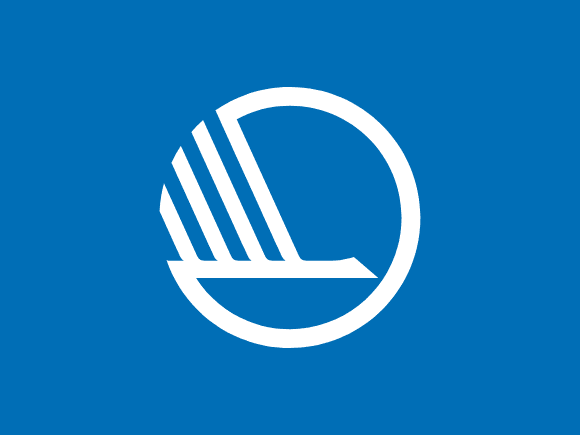
- Acronym: NC
- Type: Intergovernmental Organization
- Membership: 5 member states, 3 autonomous territories, and several observer states
- Establishment: Established on 12 February 1953
- Official Language(s): Danish, Finnish, Icelandic, Norwegian, Swedish
- Headquarters: Copenhagen, Denmark
The Nordic Council is a regional intergovernmental organization and forum for cooperation among the Nordic countries. It is known for its high standards of living, progressive policies, and robust cooperation in various sectors including the economy, culture, and the environment.
Nordic Council History
The Nordic Council was established in 1953 after World War II, with the aim of fostering mutual cooperation between the Nordic countries. The organization has since been a symbol of regional unity, shared culture, and common values among its member states.
Nordic Council Structure
The structure of the Nordic Council consists of:
- The Nordic Council Session: The principal decision-making body, consisting of 87 elected representatives from member countries.
- Presidium: The council’s executive body, responsible for its day-to-day operations.
- Committees: Several committees focusing on specific areas such as culture, education, and the environment.
- The Secretariat: Provides administrative support, headquartered in Copenhagen, Denmark.
Nordic Council Membership
The Nordic Council’s membership includes:
Member States
- Denmark
- Finland
- Iceland
- Norway
- Sweden
Autonomous Territories
Observer States
Several observer states participate in specific areas of cooperation.
Nordic Council Objectives
Strengthening Nordic Cooperation
The council aims to strengthen the relationships and cooperation between the member states in various sectors.
Sustainable Development
Commitment to sustainable development and environmental protection is a key objective, aligning with the global sustainability goals.
Cultural Exchange
Promoting cultural exchange and preserving the unique cultural heritage of the Nordic region.
Nordic Council Funding
The Nordic Council is funded by contributions from its member states, allocated according to an agreed-upon formula. These funds are used to finance the secretariat’s operations and various initiatives and projects across the region.
Nordic Council Projects
Nordic Climate Action
Projects and initiatives aimed at combating climate change and promoting sustainability in the Nordic region.
Education and Research Cooperation
Initiatives to promote cooperation in education and research, ensuring the free movement of students and researchers within the Nordic countries.
Nordic Welfare
Programs aimed at enhancing social welfare, healthcare, and equality among the member states.
Nordic Council Members
The Nordic Council serves as a platform for political cooperation, ensuring that the member states and autonomous territories can address common challenges and opportunities collectively, thus fostering a spirit of unity and shared progress in the Nordic region.